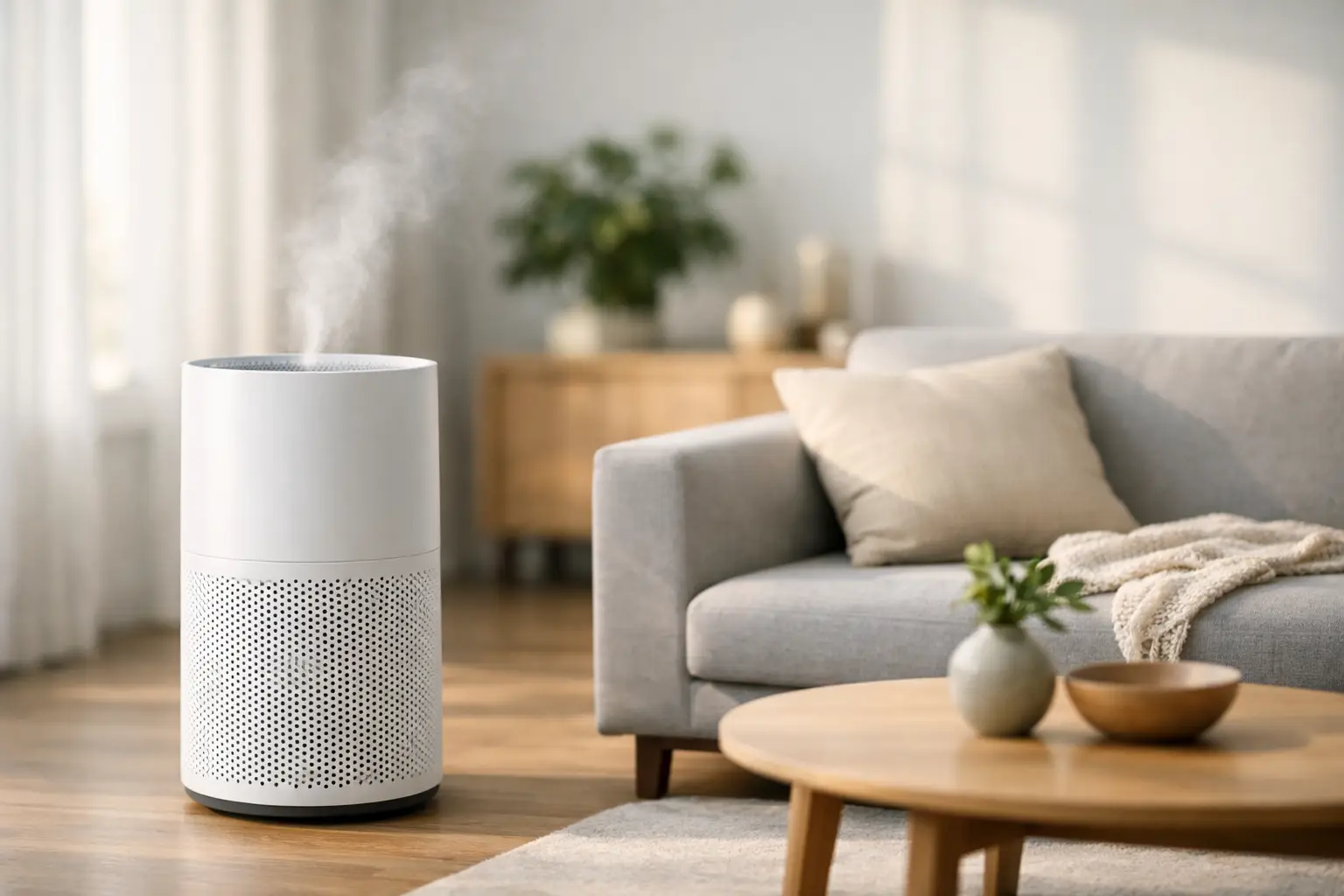
If you are asking are air purifiers worth it, the short answer is yes – but only for the right problem. They can help with dust, pollen, pet dander and smoke particles. They do not fix every air quality issue, and they are not worth buying if you expect them to solve damp, mould or poor ventilation on their own.
That is the key point for most UK shoppers. An air purifier can be a useful buy, but only if you match the machine to the room, the problem and the running cost. If you do not, you can spend a lot and see very little difference.
See Our Top 10 Picks
Here are the 10 best models we tested and ranked to help you choose faster.
View Best ProductsAre air purifiers worth it in real use?
For many buyers, yes. A good air purifier with a true HEPA filter can remove fine airborne particles from the air that passes through it. That matters most if you have allergies, pets, traffic pollution near your home, or someone sensitive to dust.
In practical terms, the biggest benefit is usually symptom reduction rather than perfectly clean air. You may notice less dust settling, fewer allergy flare-ups, fewer pet smells when combined with a carbon filter, and a fresher-feeling bedroom or lounge. The change can be worthwhile, but it is often gradual rather than dramatic.
They are less worthwhile if your main issue is condensation, damp patches, mould growing on walls, or stale air caused by poor airflow. In those cases, a dehumidifier, extractor fan or better ventilation may do more than an air purifier.
When an air purifier is worth buying
The value depends on what you want it to do.
Allergies and hay fever
This is one of the clearest reasons to buy. If pollen, dust mites or pet dander trigger symptoms, a purifier can help reduce the amount of airborne particles indoors. Bedrooms are often the best place for one because that is where cleaner air can make the most noticeable difference overnight.
For allergy buyers, the filter matters more than smart features. A true HEPA filter is the part worth paying for. App control and air quality lights are useful extras, but they are not the main reason a purifier works.
Pets in the home
Air purifiers can help with floating pet hair, dander and some odours. They do not replace cleaning, but they can cut down what stays in the air. If you have dogs or cats, look for a model with both HEPA and activated carbon filtration.
It is worth being realistic here. A purifier will not stop fur building up on floors and sofas. It helps with airborne particles, not general mess.
Smoke and outdoor pollution
If you live near a busy road or need to deal with smoke particles, an air purifier may be worth it. Fine particle filtration is where these machines make the most sense. Carbon filters can also help with some smells, though not always as strongly or as long as buyers expect.
For this use, room size and airflow rate matter. An underpowered purifier in a large open-plan room often leads to disappointment.
Small bedrooms and home offices
Air purifiers tend to offer the best value in smaller enclosed rooms. It is easier for the machine to cycle the air effectively, and easier for you to notice the result. If you are choosing one for a studio flat or large kitchen-diner, you may need a much bigger model than expected.
When they are not worth it
Air purifiers are easy to overestimate.
They are usually not worth buying if you want a fix for visible mould. They do not remove mould growing on surfaces. They can catch some airborne spores, but they do not deal with the moisture causing the problem.
They are also not the best buy if your room is very large and you plan to run the purifier on a low fan speed all day. In that setup, performance may be too weak to justify the price.
Another poor-value scenario is buying a cheap model with unclear filter standards. Many low-cost units look good on paper but have weak airflow, expensive replacement filters or vague claims about filtration. That can make them poor long-term value even if the upfront price seems attractive.
What actually matters when comparing models
If you want to decide quickly, focus on the basics first.
HEPA filtration
For most buyers, this is the main feature to look for. HEPA filtration is what helps remove fine particles such as pollen, dust and dander. Without that, the purifier may be far less useful for common household air quality problems.
Carbon filter
This is important if smells matter to you. Carbon helps with odours from pets, cooking and smoke. Not all carbon filters are equal, so a purifier marketed for odours should have a meaningful carbon stage, not just a token layer.
Room coverage
This is where many people buy the wrong machine. Check the recommended room size carefully. A purifier rated for a small bedroom is unlikely to perform well in a large living room. If your space is between two sizes, going up a level is usually safer.
CADR or cleaning speed
Some brands show CADR, which is a measure of how quickly the purifier cleans the air. Higher numbers usually mean faster cleaning. This can be more useful than broad marketing claims because it gives you a better idea of real performance.
Noise
This matters more than many buyers expect. A purifier that is too loud often ends up switched off. Bedroom use especially needs a genuinely quiet low setting. If you are sensitive to sound, compare sleep mode noise levels, not just maximum fan speed.
Filter replacement cost
A cheap machine with expensive filters can cost more over time than a better model with affordable replacements. Before buying, check how often filters need changing and what they cost in the UK.
Energy use
Most air purifiers are not huge energy users, but they often run for long periods. Efficient models keep running costs lower, which matters if you plan to use one daily.
Are expensive air purifiers worth it?
Sometimes. Not always.
Paying more is often worth it if you get better room coverage, quieter performance, stronger filtration and lower long-term running costs. It is less worth it if the extra money only buys a nicer design, more app features or branding.
For many UK homes, the best-value option is in the middle of the market. Very cheap purifiers can struggle on performance and filter quality. Very expensive ones can offer smaller gains unless you have a specific need such as a large room, heavy allergy use or strong odour control.
Best use cases for UK buyers
An air purifier is usually worth considering if you fit one of these groups: allergy sufferers, pet owners, people living near traffic, and anyone wanting cleaner air in a bedroom or home office.
It is less urgent if your home air already feels fine, you do not suffer with dust or pollen, and your main concern is occasional stuffiness. In that case, opening windows regularly and improving ventilation may be enough.
For flats and smaller homes, size and noise are often the deciding factors. For larger family homes, coverage and filter cost matter more because one unit may not be enough.
Common mistakes that make buyers regret it
The biggest mistake is choosing the wrong size. A second common mistake is expecting one device to solve every air quality issue in the house. Another is ignoring filter cost until after purchase.
It also helps to avoid overvaluing smart features. Air quality sensors, auto mode and app control can be useful, but they should come after the core checks: proper filtration, suitable room coverage, acceptable noise and sensible running costs.
If you are comparing several models, these points will usually tell you more than long feature lists. That is often the fastest way to narrow down the options.
So, are air purifiers worth it?
Yes, if you have a clear reason to buy one and choose the right model. They are most worth it for allergies, pets, smoke particles and smaller rooms where you spend a lot of time. They are less worth it as a catch-all solution for damp, mould or ventilation problems.
For most shoppers, the best buying decision comes down to four checks: does it have HEPA filtration, is it strong enough for the room, is it quiet enough to use daily, and are the replacement filters affordable? If the answer is yes to all four, an air purifier is much more likely to feel like money well spent.
If you are still comparing options, keep the focus on performance, noise and running cost first. That will usually lead you to the right choice faster than any extra feature ever will.