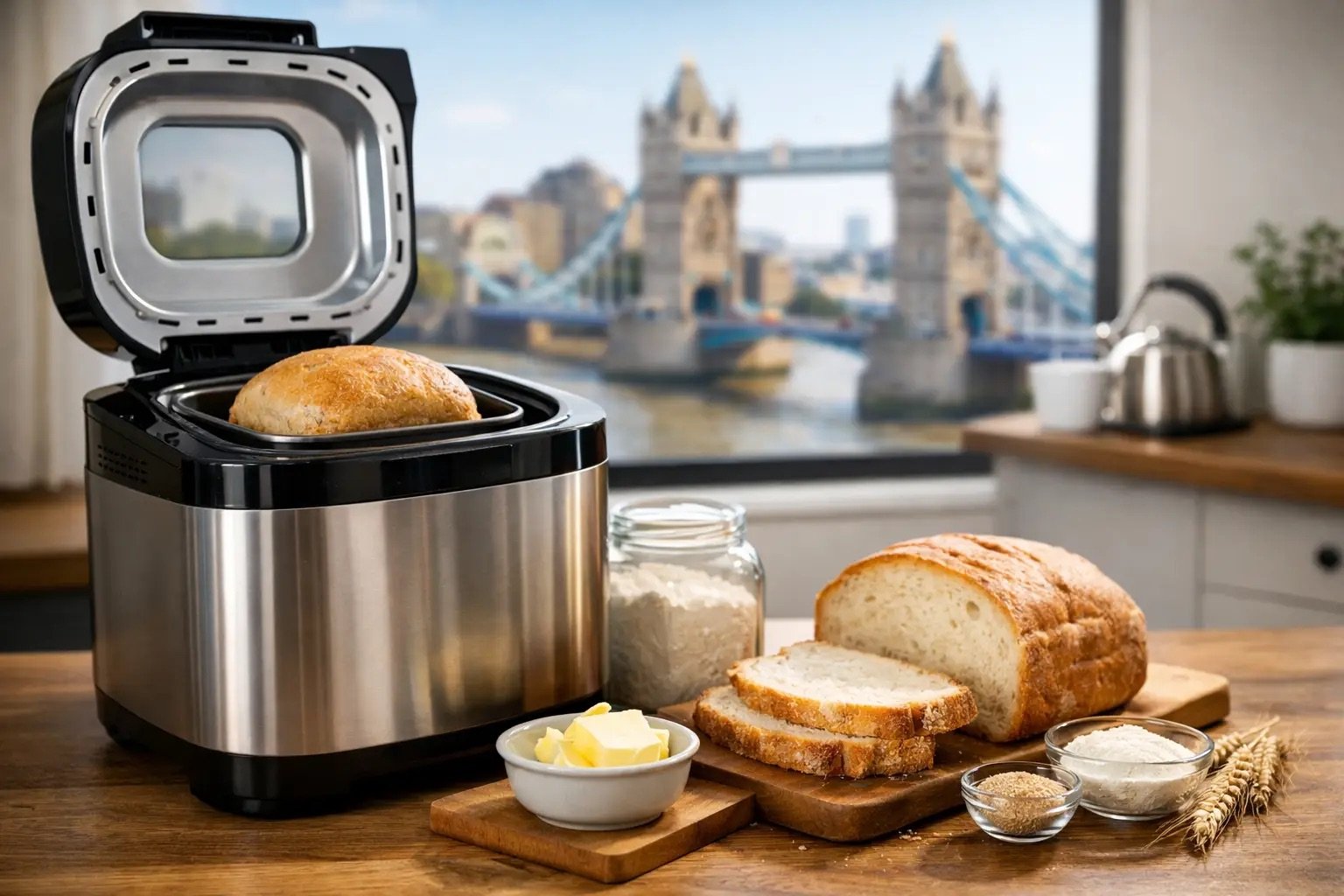
If you are looking for the best bread maker UK shoppers can buy, the fastest way to choose is to ignore long feature lists and focus on three things first: loaf size, programme range and how much effort you want to put in. Some machines are built for simple everyday white and wholemeal loaves. Others are better if you want gluten-free bread, dough for pizza, or a timer for fresh bread in the morning.
A bread maker can save time, but only if it fits the way you actually use it. A large machine with dozens of settings is not always the better buy. For many households, a reliable model with clear controls and consistent results is the smarter option.
See Our Top 10 Picks
Here are the 10 best models we tested and ranked to help you choose faster.
View Best ProductsHow to choose the best bread maker UK buyers actually need
Start with capacity. Most bread makers are designed for small to medium households, but loaf size still matters. If you live alone or only want occasional homemade bread, a compact machine with smaller loaf options will be easier to manage. If you have a family, look for a model that can bake larger loaves without taking too long.
The next point is programmes. Basic machines usually cover white, wholemeal and dough. That is enough for many people. If you need more flexibility, check for gluten-free, sweet bread, rapid bake and jam settings. Extra programmes are useful, but only if you will use them. Paying more for settings you never touch rarely makes sense.
Ease of use is just as important as performance. A good bread maker should be simple to set up, easy to read and easy to clean. Look for clear buttons, a sensible display and a non-stick bread pan that comes out without a fight. If paddles are awkward to remove or ingredients are difficult to add, that small annoyance becomes a regular one.
What matters most when comparing bread makers
Loaf size and household size
Loaf size affects both value and convenience. A machine that only makes large loaves can be wasteful for one or two people. On the other hand, a small-capacity model may not keep up with a busy household. Adjustable loaf sizes are useful because they give you more control and make the machine more flexible over time.
Crust settings and bread texture
Most buyers overlook crust settings at first, but they make a noticeable difference. If you like a softer crust, basic settings will usually be enough. If you want more control over texture and finish, choose a machine with light, medium and dark crust options. It is a small feature, but one that affects every loaf.
Speed versus results
Fast bake programmes sound appealing, especially if you want bread the same day. The trade-off is that rapid settings do not always produce the same texture or rise as standard programmes. If speed is your top priority, check reviews and product comparisons carefully. Some machines handle quick bakes well. Others are better used on normal cycles.
Noise and kitchen space
Bread makers knead, mix and bake in one unit, so they take up room and make some noise while working. If you have a small kitchen, dimensions matter more than you might think. Tall machines can be awkward under cupboards, and heavier models are less convenient to move. For open-plan homes, quieter operation can also be worth paying extra for.
Which type of bread maker is best for you?
The best choice depends on what you want from it.
If you want straightforward homemade bread a few times a week, a basic mid-range model is usually the safest buy. It should offer standard loaf sizes, simple crust settings and dependable programmes for white and wholemeal bread. This type suits most buyers because it keeps things easy and avoids paying for extras that do not improve everyday use.
If you need flexibility, a more advanced bread maker may be worth it. These models tend to include speciality settings, delayed timers, keep-warm functions and ingredient dispensers. They are better for regular users who want more control or have specific dietary needs, but they cost more and can be less intuitive.
If price matters most, entry-level machines can still do a good job. The key is to manage expectations. You may get fewer programmes, lighter build quality and less polished controls, but you can still bake decent bread. For occasional use, that may be enough.
Features worth paying for
A delayed timer is one of the most useful features in a bread maker. It lets you add ingredients in advance and have bread ready when you want it. For busy households, that convenience matters more than novelty settings.
A viewing window can be helpful, but it should not be a deal breaker. Some buyers like being able to check progress without opening the lid. Others never use it. Better mixing and baking performance matter more.
An automatic fruit and nut dispenser is worth considering if you regularly make speciality loaves. If not, it is easy to skip. The same goes for jam and cake programmes. Nice to have for some people, irrelevant for others.
Good non-stick coating is worth paying for because it affects both ease of cleaning and how easily the loaf releases. Poor coatings become frustrating quickly. Removable paddles or well-designed kneading blades can also make a real difference, especially if you want a neater loaf with less tearing at the base.
Features you can treat as optional
A very high number of programmes is often more about marketing than value. If a machine offers 20 settings but you only use four, the extra choice does not help you compare or decide. Focus on whether it does the core jobs well.
Smart features are another example. App control may sound useful, but for many buyers it adds little to a product that already works through a timer and a few buttons. Unless remote control is important to you, it is rarely essential.
Premium finishes also have limited value if your main goal is reliable bread. Stainless steel looks smart, but consistency, ease of cleaning and sensible controls should come first.
Common buying mistakes
One common mistake is choosing based only on price. The cheapest bread maker may save money upfront, but if the bread texture is poor or the pan coating wears quickly, it can become poor value. A slightly better machine often lasts longer and is easier to live with.
Another mistake is overbuying. If you mainly want white and wholemeal loaves, you probably do not need an advanced model with specialist cycles you will never use. Paying for simplicity can be better than paying for options.
Buyers also forget to check loaf dimensions and machine size. A bread maker can look compact in photos but still take up a lot of worktop space. Always compare external dimensions as well as loaf capacity.
It is also worth checking paddle design. Some machines leave large holes in the loaf base or make the paddles difficult to remove. This sounds minor until you deal with it every time you bake.
Best bread maker UK checklist before you buy
Before you choose, compare each machine against the basics that matter most in daily use. The best bread maker UK buyers should shortlist is not always the one with the most features. It is the one that fits your household, your budget and the type of bread you will actually make.
Check the loaf sizes first. Then look at the main programmes, crust settings and timer. After that, compare how easy the pan is to remove, how simple the controls look and whether the machine will fit your kitchen space. If two models seem similar, the easier one to use is often the better buy.
For most shoppers, the best option sits in the middle of the market. Cheap models can feel limited. Premium models can be more than you need. A well-reviewed mid-range bread maker usually gives the best balance of performance, convenience and value.
Final point before you choose
Choose for everyday use, not best-case use. If a bread maker is simple enough that you will use it often, it is probably the right one.